

Is Eastman Acetate Tow flammable?
Hey there! I'm a supplier of Eastman Acetate Tow, and I often get asked this burning question (pun intended): "Is Eastman Acetate Tow flammable?" Well, let's dive right into it and clear up any confusion.
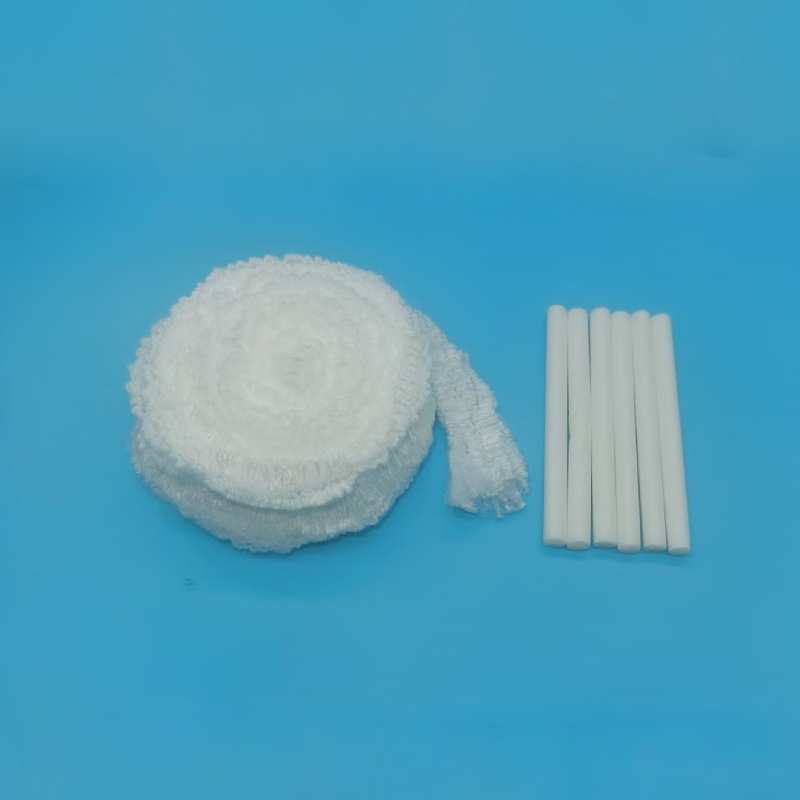
First off, let's talk a bit about what Eastman Acetate Tow is. It's a key material used in Acetate Tow Cigarette Filters. You know those filters at the end of cigarettes? Yeah, a lot of them are made with acetate tow. It's also used in other applications like Acetate Tow 3.0 and Pakistan Acetate Tow, which have their own unique uses and properties.
Now, back to the main question: flammability. Eastman Acetate Tow is a type of cellulose acetate. Cellulose acetate is derived from cellulose, which is a natural polymer found in plants. In general, cellulose acetate has some interesting properties when it comes to fire.
Cellulose acetate is not as flammable as pure cellulose. Pure cellulose, like what you find in wood or paper, can catch fire relatively easily and burn quite rapidly. But cellulose acetate has been chemically modified, and this modification changes its flammability characteristics.
Eastman Acetate Tow has a certain degree of resistance to ignition. It requires a higher temperature and more intense heat source to catch fire compared to many other common materials. When exposed to a small flame, it may start to melt and char rather than burst into flames immediately.
However, it's important to note that just because it's not as flammable as some other things doesn't mean it's completely fireproof. If you expose Eastman Acetate Tow to a large, intense fire or a high - energy heat source for a long time, it will eventually burn.
In a real - world scenario, say in a cigarette filter, the conditions are usually not extreme enough to cause the acetate tow to burn. The heat from the burning tobacco is mostly used to vaporize and filter the smoke, and the acetate tow mainly acts as a filter medium. It's designed to withstand the normal heat generated during the smoking process without catching fire.
In industrial settings, when handling Eastman Acetate Tow, proper safety measures should still be in place. This includes keeping it away from open flames, sparks, and other potential ignition sources. Storage areas should be well - ventilated and free from any sources of excessive heat.
Another factor to consider is the additives that might be present in the Eastman Acetate Tow. Sometimes, manufacturers may add certain chemicals to enhance its performance or other properties. These additives could potentially affect its flammability. But Eastman, as a well - known and reputable company, tests and controls the composition of its acetate tow to ensure that it meets certain safety standards.
Let's talk about the science behind it a bit more. When cellulose acetate is heated, the chemical bonds in the polymer start to break down. As it reaches a certain temperature, the material begins to soften and then melt. If the heat continues and oxygen is present, the carbon - based components in the cellulose acetate can react with oxygen and start to burn.
The flammability of Eastman Acetate Tow can also be affected by its physical form. For example, if it's in a loose, fibrous form, it may have more surface area exposed to the air, which could potentially make it more likely to catch fire compared to when it's compressed or formed into a more solid structure.
Now, from a supplier's perspective, I know that safety is a top concern for my customers. That's why I always make sure to provide accurate information about the properties of Eastman Acetate Tow. I want my customers to use the product safely and effectively.
If you're in the business of making cigarette filters, using Acetate Tow 3.0 or dealing with Pakistan Acetate Tow, you can rest assured that Eastman Acetate Tow has a relatively low risk of flammability under normal conditions. But it's always a good idea to follow proper safety protocols and do your own testing to make sure it meets your specific requirements.
If you're interested in purchasing Eastman Acetate Tow, I'd love to have a chat with you. Whether you're a small - scale producer or a large - scale manufacturer, I can provide you with high - quality products and the information you need. Feel free to reach out if you have any questions about the product, its properties, or how it can fit into your production process.
In conclusion, Eastman Acetate Tow is not highly flammable, but it's not fireproof either. It has a degree of resistance to ignition and burns differently compared to many other materials. By understanding its flammability characteristics and taking appropriate safety measures, you can use it safely and effectively in your applications.
References:

- General knowledge of cellulose acetate properties from chemical engineering textbooks.
- Eastman Chemical Company's product information and safety data sheets.