

Acetate Tow
Your Professional Acetate Tow Supplier
QUANZHOU SMARTWIN NEW MATERIAL CO.,LTD start new material business 2007, we focus on: acetate tow for cigarette, PLA tow for cigarette; allso we supply PLA spunbond nonwoven, PET spunbond nonwoven, RPET spunbond nonwoven, Nylon spunbond nonwoven, PET stitchbonded nonwoven and so on.
Production Equipment
We possess 5 production lines for acetate tow, 2 for PLA tow; 3 PLA nonwoven machines, 4 PET spunbond nonwoven machines, 4 RPET spunbond nonwoven machines; 2 nylon nonwoven machines; and 10 stitchbonded nonwoven machines.
Customized Export Services
The company provides customized and comprehensive solutions for international customers, ensuring that products can be delivered to any destination in the world in a timely and efficient manner through a strong network of logistics partners.
Production Market
Our exports reach destinations such as Indonesia, Vietnam, Russia, Brazil, Europe, Turkey, Pakistan, Korea, Australia, Malaysia, and so forth.
Company Team
We have a sales engineer with over 18 years of export experience, and also a production engineer with more than 30 years of experience.
-
Cellulose Acetate Tow 3.0
Cellulose acetate tow 3.0 represents a thermoplastic fiber derived from wood pulp, boasting
-
Acetate Tow for Cigarette Filters
Acetate tow for cigarette filters stands out due to environmental benefits, chemical stability,
-
Acetate Tow Hs Code
Acetate tow Hs code, specifically identified by the HS code 5502001000, is a specialized material
-
Acetate Tow 5.0Y30000D
Acetate tow 5.0Y30000D, specifically the 5.0Y30000D variant, is a critical component in the
-
Acetate Tow Filter Rod
Acetate tow filter rods are a key component in cigarette manufacturing, primarily used to reduce
-
Acetate Tow 2.5y30000
Acetate tow 2.5y30000 is a specialized material used in the production of cigarette filters, known
-
Acetate Tow for Cigarette
Acetate tow for cigarette filters is a meticulously engineered product designed to enhance the
-
Acetate Tow for Cigarette Filters Hongkong
Acetate tow for cigarette filters Hong Kong, is a key component in the cigarette industry, known
-
Acetate Tow 3.0
Acetate tow 3.0 is a high-quality, environmentally friendly material derived from purified wood
-
Acetate Tow Filter Production
Acetate tow is a high-quality, environmentally friendly material that is essential for the
-
Acetate Tow Machine Making
As a manufacturer, we proudly introduce our acetate tow, a premium material meticulously crafted
-
Celanese Acetate Tow
Celanese acetate tow is a premium material renowned for its use in cigarette filters, offering a


Definition of Acetate Tow
Acetate tow, a fiber used primarily in cigarette filters, is a continuous band held together by a wave configuration set into the band during production, known as crimp.
Types of Acetate Tow
Acetate Tow 3.0
Acetate tow 3.0 is a high-quality, environmentally friendly material derived from purified wood pulp. It is meticulously processed through a dry spinning method to create a uniform and consistent tow that is essential for cigarette filter production.
Celanese Acetate Tow
Celanese acetate tow is a premium material renowned for its use in cigarette filters, offering a combination of sustainability and performance. Derived from responsibly sourced renewable wood pulp, it is processed through an advanced dry spinning technique to achieve a consistent and high-quality tow.
Eastman Acetate Tow
Eastman acetate tow is a premium material used in the production of cigarette filters, known for its high-quality and consistent performance. Derived from responsibly sourced renewable wood pulp, it undergoes a precise dry spinning process to create a uniform tow with excellent absorption characteristics.
Daciel Acetate Tow
Daciel acetate tow is a high-quality material used in the production of cigarette filters, known for its superior filtration capabilities and environmental sustainability. Derived from cellulose, which is abundant and renewable, it undergoes a precise dry spinning process to create a uniform tow with excellent absorption characteristics.
Pakistan Acetate Tow
Pakistan acetate tow is a key component in the production of cigarette filters, known for its environmental benefits and effective filtration capabilities. Derived from cellulose, which is abundant and renewable, it undergoes a precise dry spinning process to create a uniform tow with excellent absorption characteristics.
Argentina Acetate Tow
Argentina acetate tow is a high-quality material used in the production of cigarette filters, known for its superior filtration capabilities and environmental sustainability. Derived from cellulose, which is abundant and renewable, it undergoes a precise dry spinning process to create a uniform tow with excellent absorption characteristics.
Features of Acetate Tow
Acetate tows have high heat resistance and can remain stable at high temperatures without swelling or burning. In addition, it has strong light resistance and can maintain good stability under illumination.
Acetate tows have good corrosion resistance to most organic substances and can be used in harsh environments.
Acetate tows have good dyeing performance, strong color fastness, and minimal changes in fiber tensile properties before and after dyeing.
Acetate tows have good physical properties, including high fracture strength and elongation at break, as well as good resilience, making them suitable for use in the textile industry.
Acetate tows are generally not damaged in weakly alkaline environments, but are prone to deacetylation in strongly alkaline environments, resulting in weight loss and a decrease in strength.
Applications of Acetate Tow

1. Filter Material
Acetate tows are commonly utilized to fabricate filter materials, particularly in the filtration of air and liquids, which can effectively eliminate impurities and microorganisms. Additionally, it is also employed to create filtering materials for blood and medication, aiding in the removal of impurities and microorganisms.
2. Medical Supplies
In the medical field, Acetate tows can be made into soft and moisture-absorbing wound dressings to facilitate wound healing. Moreover, it can also act as a drug carrier to assist in stabilizing drug release and enhancing therapeutic efficacy.


3. Industrial Sector
Acetate tows are utilized as insulation materials or components in industries like electronics and automobiles, featuring excellent insulation properties and mechanical strength.
4. Cigarette Filter
Acetate tows play a significant role in the manufacturing of cigarette filters. It constitutes the main component of cigarette filters, which can effectively capture particulate matter and certain harmful chemicals in tobacco smoke, reducing the harmful substances inhaled by smokers.

Production Process of Acetate Tow
Raw Material Preparation
The process begins with highly purified wood pulp or cotton linter, which serves as the raw material cellulose. This cellulose is then activated in a pretreatment step to prepare it for the next phase.
Acetylation
In the acetylation step, the activated cellulose is combined with acetic anhydride, acetic acid, and sulfuric acid as a catalyst to carry out the esterification reaction. This reaction introduces acetyl groups to the cellulose molecules.
Hydrolysis
After the esterification reaction, the product is cellulose triacetate. This is then hydrolyzed to form cellulose diacetate, which has a lower degree of acetylation. The hydrolysis process is carried out in a hydrolyzer to reduce the acetic degree of cellulose acetate to the required range for producing the diacetate.
Washing and Purification
The cellulose diacetate is then washed to remove any remaining solvent, impurities, and byproducts. This step ensures that the final product is clean and free from unwanted residues.
Drying
The washed cellulose diacetate is dried to obtain the cellulose acetate product. This drying step is crucial for removing any remaining moisture and preparing the material for spinning.
Spinning
The dried cellulose diacetate is dissolved in an acetone solvent and spun into fibers. These fibers are then formed into bundles known as filter tow.
Additives Incorporation
During the production of the filter tow, various additives can be incorporated. These may include flavors, sweeteners, softeners, flame retardants, and other substances that can affect the performance and characteristics of the filter.
Final Processing
The filter tow is then further processed and prepared for use in cigarette filters. This may involve cutting the tow to the appropriate length, treating it with adhesives for binding, and other finishing processes.
Differences Between PLA Tow And Acetate Tow For Cigarettes?
Material Composition
PLA Tow: Made from renewable resources such as sugar cane and corn, PLA tow is a biodegradable material synthesized from lactic acid, which is naturally found in the human body.
Acetate Tow: Composed of cellulose acetate derived from renewable resources like wood pulp or cotton linter, acetate tow is also biodegradable but has a different origin and composition compared to PLA.
Environmental Impact
PLA Tow: PLA tow decomposes within 14 to 21 days under the right conditions, breaking down into carbon dioxide and water without polluting the environment, making it highly biodegradable.
Acetate Tow: While also biodegradable, acetate tow may take longer to decompose compared to PLA tow. It is considered environmentally friendly due to its renewable source but may not break down as quickly.
Performance Characteristics
PLA Tow: PLA tow offers good moisture absorption, breathability, antimicrobial properties, and is low-smoke and flame-retardant. It has a similar or slightly better adsorption index for harmful components in cigarettes compared to cellulose acetate.
Acetate Tow: Acetate tow is known for its excellent filtration performance and chemical stability. It does not impart any unwanted tastes or odors to the cigarette smoke and is strong and durable, ensuring the stability and longevity of the filter.

To obtain small samples of acetate tow for cigarettes from SMARTWIN Company in China, begin by reaching out through their official contact channels, such as email, phone, or their website's contact form, to express your interest in their products. Clearly request samples of the acetate tow, specifying the desired product specifications including type, denier, filament count, and crimp number. Discuss the terms for sample provision, which may include free samples within a certain limit or conditions such as a small fee or express shipping costs. Provide your shipping address and any other necessary details for sample dispatch. Once terms are agreed upon, SMARTWIN will likely send a form or agreement to confirm the sample order. Upon receipt, test the samples to ensure they meet your quality and performance standards and communicate with SMARTWIN to confirm receipt and provide feedback within a specified timeframe. Finally, after testing, provide detailed feedback to SMARTWIN about the samples, indicating any necessary changes or your satisfaction with the product.
Identify Product Specifications - Determine the acetate tow specifications needed, such as denier, filament count, and crimp number.
Contact Smartwin Company - Reach out to inquire about product offerings, pricing, and international order requirements. Find their contact information on their official website or through business directories.
Understand Import Regulations - Familiarize yourself with your country's import regulations, including tariffs, quotas, and any special permits required for acetate tow.
Quality Inspection Standards - Be aware of quality inspection standards such as SN/T 0459-2005, which outlines rules for the inspection of import and export acetate tow.
Establish a Contract - After agreeing on specifications and pricing, establish a formal contract that includes product details, quantity, price, delivery terms, and other relevant clauses.
Arrange for Shipping - Organize shipping from China to your country by finding a reliable freight forwarder and arranging necessary transportation and logistics.
Customs Clearance - Prepare documents for customs clearance, including a commercial invoice, packing list, and any required certificates of origin or quality.
Quality Control - Upon receipt, conduct a quality control check to ensure the acetate tow meets the agreed-upon specifications and standards.

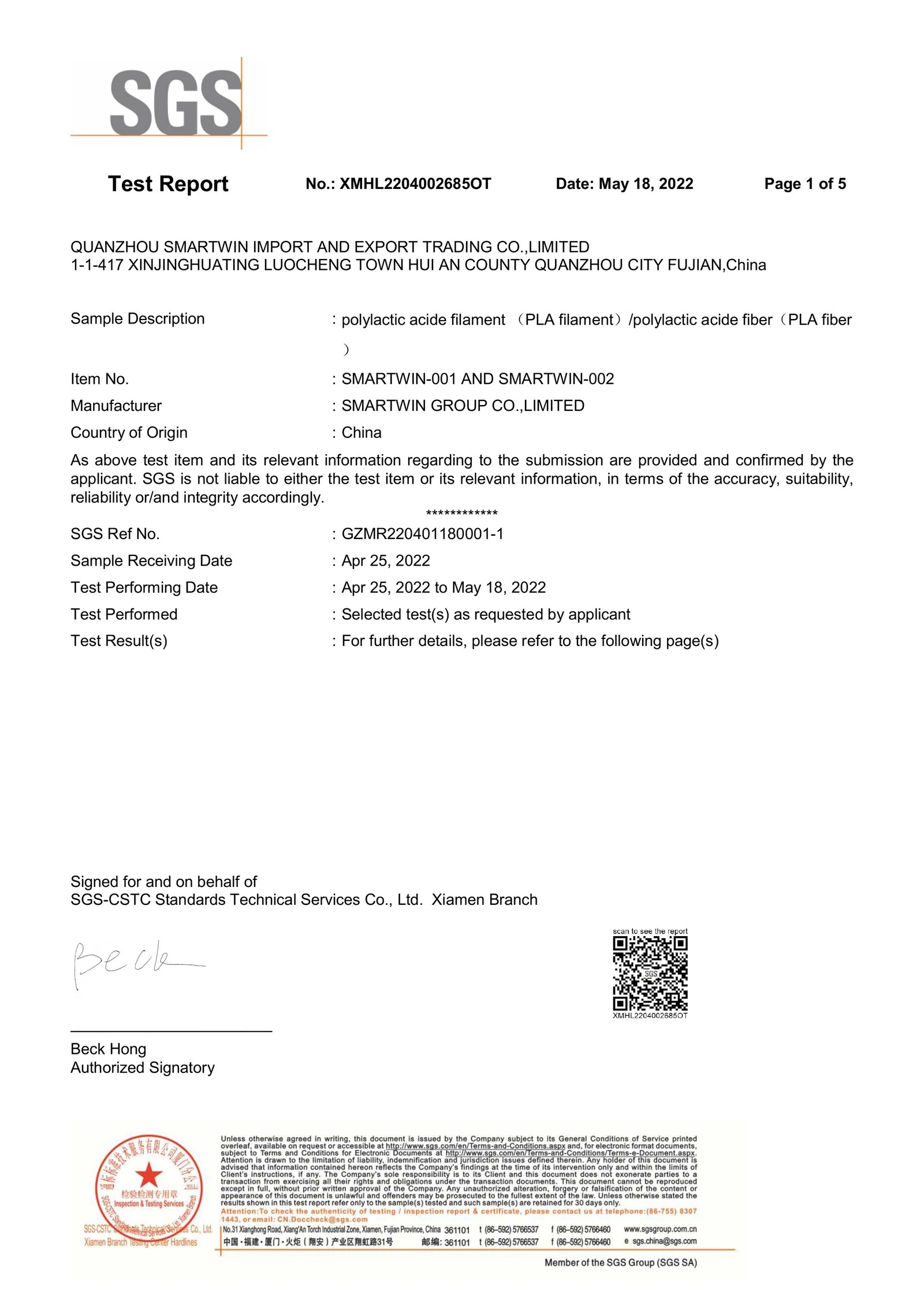
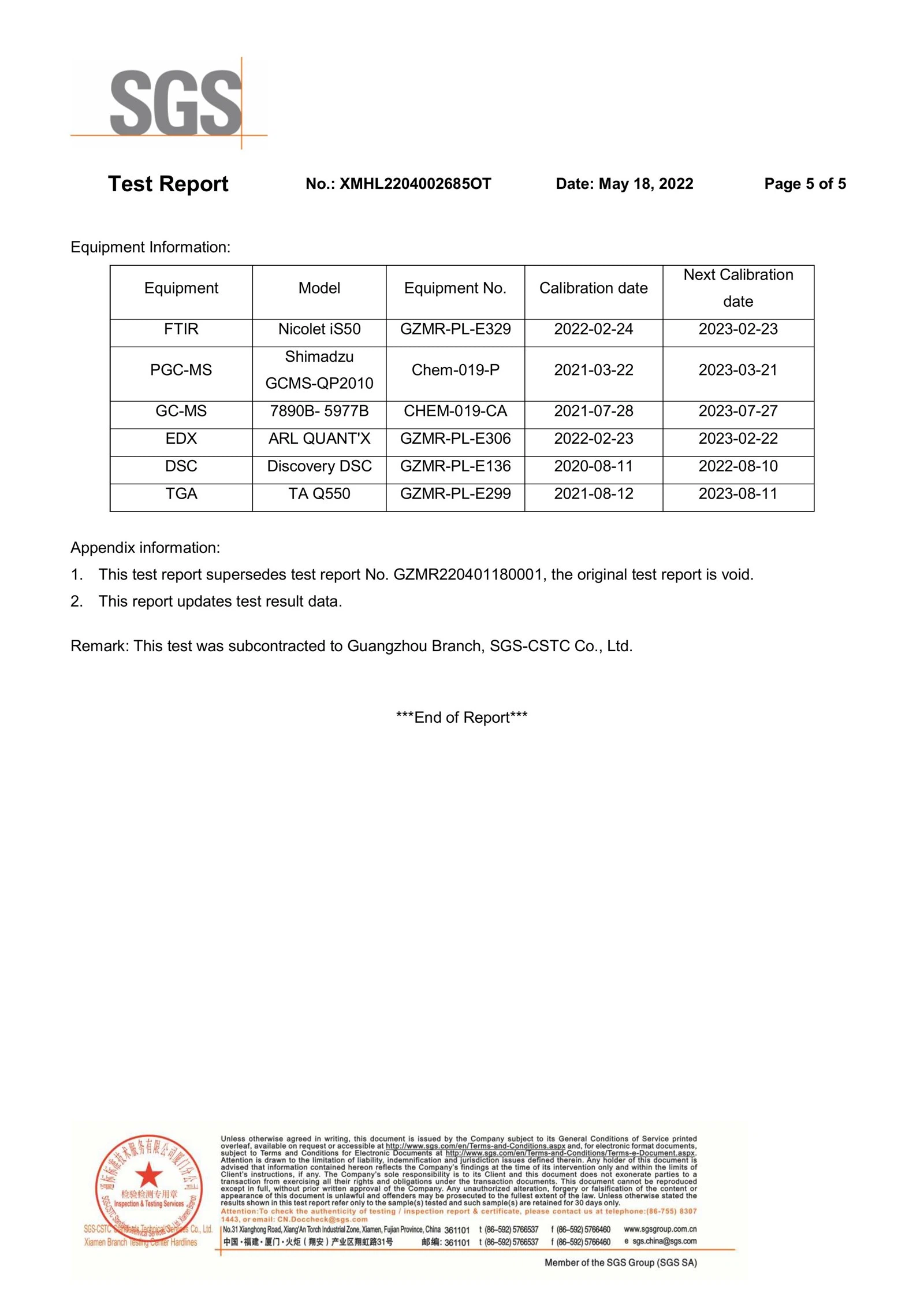
Our Certificate
Test report of acetate tow, PLA tow, SGS certificate and so on.



FAQ
As one of the most professional acetate tow manufacturers and suppliers in China, we're featured by quality products and good price. Please rest assured to buy high-grade acetate tow from our factory.
Acetate Tow Hs Code, Eastman Acetate Tow for Cigarette, Acetate Tow Filter Rod