

Cellulose Acetate Tow
Your Professional Cellulose Acetate Tow Supplier
QUANZHOU SMARTWIN NEW MATERIAL CO.,LTD start new material business 2007, we focus on: acetate tow for cigarette, PLA tow for cigarette; allso we supply PLA spunbond nonwoven, PET spunbond nonwoven, RPET spunbond nonwoven, Nylon spunbond nonwoven, PET stitchbonded nonwoven and so on.
Production Equipment
We possess 5 production lines for acetate tow, 2 for PLA tow; 3 PLA nonwoven machines, 4 PET spunbond nonwoven machines, 4 RPET spunbond nonwoven machines; 2 nylon nonwoven machines; and 10 stitchbonded nonwoven machines.
Customized Export Services
The company provides customized and comprehensive solutions for international customers, ensuring that products can be delivered to any destination in the world in a timely and efficient manner through a strong network of logistics partners.
Production Market
Our exports reach destinations such as Indonesia, Vietnam, Russia, Brazil, Europe, Turkey, Pakistan, Korea, Australia, Malaysia, and so forth.
Company Team
We have a sales engineer with over 18 years of export experience, and also a production engineer with more than 30 years of experience.
-
Acetate Tow 2.5Y30000
Cellulose acetate tow 2.5Y30000 is a high-quality material widely used in the production of
-
Cellulose Acetate Tow 3.0Y30000
Cellulose acetate tow 3.0Y30000 is specialized material widely used in the production of cigarette
-
Cellulose Acetate Tow 3.0Y35000D
Cellulose Acetate Tow 3.0Y35000D is a high-quality, versatile product widely used in the production
-
Cellulose Acetate Tow 3.3Y37000D
Cellulose Acetate Tow 3.3Y37000D is a premium-grade filter material widely used in the production
-
Cellulose Acetate Tow 4.0Y35000
Cellulose Acetate Tow 4.0Y35000 is high-quality filter material specifically designed for
-
Cellulose Acetate Tow 5.0Y30000
Cellulose Acetate Tow 5.0Y30000 is a specialized filter material commonly used in cigarette filter
-
Cellulose Acetate Tow 6.0Y17000 Russia
Cellulose Acetate Tow 6.0Y17000 is a high-efficiency filter material, ideal for producing premium
-
South Africa Cellulose Acetate Tow
South Africa Cellulose Acetate Tow is a high-grade material produced for cigarette filter
-
Indonesia Cellulose Acetate Tow
Indonesia Cellulose Acetate Tow is a premium quality material widely used in the production of
-
Korea Cellulose Acetate Tow
Korean Cellulose Acetate Tow is a premium material used in the production of cigarette filters.
-
Russia Cellulose Acetate Tow 11
Russia Cellulose Acetate Tow is a high-quality filter material produced in Russia, designed for use
-
Brazilian Cellulose Acetate Tow
Brazil cellulose acetate tow is a versatile and eco-friendly filter material widely used in the


Definition of Cellulose Acetate Tow
Cellulose acetate tow is a clean, soft, tasteless, and odorless product made from acetate flake. It is a biobased and environmentally friendly product which is derived from natural wood pulp. Cellulose acetate tow fiber is derived from responsibly sourced renewable wood pulp which is highly purified white cellulose.
Types of Cellulose Acetate Tow
Types of Cellulose Acetate Tow
Cellulose acetate tow 2.5Y30000 is a high-quality material widely used in the production of cigarette filters for its excellent filtration capabilities and environmental sustainability . Derived from cellulose, which is abundant and renewable, it undergoes a precise dry spinning process to create a uniform tow with excellent absorption characteristics.
Cellulose Acetate Tow 3.0Y30000
Cellulose acetate tow 3.0Y30000 is a specialized material widely used in the production of cigarette filters for its effective filtration capabilities and environmental sustainability. Derived from high-quality, purified wood pulp or cotton linter, it undergoes a precise dry spinning process to create a uniform tow with excellent absorption characteristics.
Cellulose Acetate Tow 3.3Y37000D
Cellulose Acetate Tow 3.3Y37000D is a premium-grade filter material widely used in the production of cigarette filters. Featuring a denier per filament of 3.3Y and a total denier of 37000D, this tow offers a balanced combination of filtration efficiency and structural integrity.
Cellulose Acetate Tow 4.0Y35000
Cellulose Acetate Tow 4.0Y35000 is a high-quality filter material specifically designed for cigarette filters, offering a denier per filament of 4.0Y and a total denier of 35000D. This combination provides a durable filter structure with excellent firmness, making it suitable for producing cigarette filters with a stable, reliable draw.
Cellulose Acetate Tow 5.0Y30000
Cellulose Acetate Tow 5.0Y30000 is a specialized filter material commonly used in cigarette filter production. With a denier per filament of 5.0Y and a total denier of 30000D, this tow offers a balanced structure that provides both filtration efficiency and a firm draw.
Cellulose Acetate Tow 6.0Y17000
Cellulose Acetate Tow 6.0Y17000 is a high-efficiency filter material, ideal for producing premium cigarette filters. With a denier per filament of 6.0Y and a total denier of 17000D, this tow is designed for applications where finer filament size and increased filtration efficiency are essential.
What Are The Uses Of Cellulose Acetate Tow In The Medical Field?
Filtration: It can be used to make filtering materials for blood, medicine, etc., effectively removing impurities and microorganisms.
Dressing production: It can be made into soft and moisture absorbing wound dressings to promote wound healing.
Drug carrier: Helps stabilize drug release and improve the therapeutic effect of drugs.
Medical equipment components: Such as the casing or internal structural components of certain medical devices.
Blood purification: Plays an important role in processes such as hemodialysis.

The Structure Of Cellulose Acetate Tow
Vertical form
The longitudinal surface of acetate fiber is smooth with obvious grooves. This morphology enables better control of the structure and properties of fibers during the spinning process.
Cross-sectional shape
The cross-section of acetate fiber is in the shape of alfalfa leaves, with a relatively smooth periphery, few shallow serrations, and no skin core structure. This cross-sectional shape has a significant impact on the mechanical and filtration properties of fibers
Chemical Properties Of Cellulose Acetate Tow

Thermal properties
Acetate fiber, as an amorphous polymer, undergoes a transformation in its shape and mechanical properties under heat or different temperature conditions, exhibiting the characteristic of "three states and two transformations". When the temperature reaches its melting point, the acetate fiber enters the thermal decomposition stage, so it cannot be directly melted for processing.
Mechanical properties
The dry strength of acetate fiber is smaller than that of viscose and polyester, and the strength loss is greater in the wet state. The remaining strength is about 70% of the dry strength, and the change in fracture elongation between dry and wet states is also significant.


Filtering and adsorption properties
When acetic acid fiber is used as a filtering material, its ability to capture particles mainly includes direct interception, inertial collision, diffusion deposition, gravity effect, and electrostatic effect. In addition, acetate fibers also exhibit selective filtration and adsorption capabilities for cigarette tar.
Dyeing properties
Acetate fibers are often dyed with dispersed dyes, and the conditions during the dyeing process should be controlled in a medium temperature and weak acid environment. It is best to use a wide roll dyeing machine or a normal pressure warp dyeing machine.

Chemical stability
Acetate fibers have a certain acid resistance, but hydrolysis occurs under concentrated acid conditions. Reducing agents and low concentration oxidants have little effect on it.
Methods To Differentiate Between PLA Tow And Cellulose Acetate Tow For Cigarette Filters
Chemical Solubility Test
Cellulose acetate tow is soluble in certain organic solvents, such as acetone, while PLA tow is not. PLA can dissolve in chloroform, so you can perform a solubility test by placing a small sample of each tow in acetone and chloroform and observing which one dissolves.
Infrared Spectroscopy
Infrared spectroscopy can identify the chemical composition of the tows. Acetate and PLA have distinct infrared spectra that allow for accurate differentiation.
Biodegradation Test
PLA is biodegradable and can break down into CO₂ and H₂O within a year under landfill conditions. You can conduct a biodegradation test by burying samples of both tows in soil and observing the rate of decomposition over time.
Flame Retardancy Test
PLA fibers have excellent flame retardancy and antibacterial properties. A simple flame test will show that PLA tow is less likely to sustain a flame compared to acetate tow, which can help you distinguish them.
Density Measurement
The density of acetate tow and PLA tow differs slightly. You can measure each tow's density using a pycnometer or a density gradient column to compare them accurately.
Melting Point Determination
Cellulose acetate tow and PLA tow have distinct melting points. Heating the tows to their melting points can help identify each material based on when they begin to melt.
How To Get A Sample?
To obtain small samples of acetate tow for cigarettes from SMARTWIN Company in China, begin by reaching out through their official contact channels, such as email, phone, or their website's contact form, to express your interest in their products. Clearly request samples of the acetate tow, specifying the desired product specifications including type, denier, filament count, and crimp number. Discuss the terms for sample provision, which may include free samples within a certain limit or conditions such as a small fee or express shipping costs. Provide your shipping address and any other necessary details for sample dispatch. Once terms are agreed upon, SMARTWIN will likely send a form or agreement to confirm the sample order. Upon receipt, test the samples to ensure they meet your quality and performance standards and communicate with SMARTWIN to confirm receipt and provide feedback within a specified timeframe. Finally, after testing, provide detailed feedback to SMARTWIN about the samples, indicating any necessary changes or your satisfaction with the product.
Identify Product Specifications - Determine the acetate tow specifications needed, such as denier, filament count, and crimp number.
Contact Smartwin Company - Reach out to inquire about product offerings, pricing, and international order requirements. Find their contact information on their official website or through business directories.
Understand Import Regulations - Familiarize yourself with your country's import regulations, including tariffs, quotas, and any special permits required for acetate tow.
Quality Inspection Standards - Be aware of quality inspection standards such as SN/T 0459-2005, which outlines rules for the inspection of import and export acetate tow.
Establish a Contract - After agreeing on specifications and pricing, establish a formal contract that includes product details, quantity, price, delivery terms, and other relevant clauses.
Arrange for Shipping - Organize shipping from China to your country by finding a reliable freight forwarder and arranging necessary transportation and logistics.
Customs Clearance - Prepare documents for customs clearance, including a commercial invoice, packing list, and any required certificates of origin or quality.
Quality Control - Upon receipt, conduct a quality control check to ensure the acetate tow meets the agreed-upon specifications and standards.

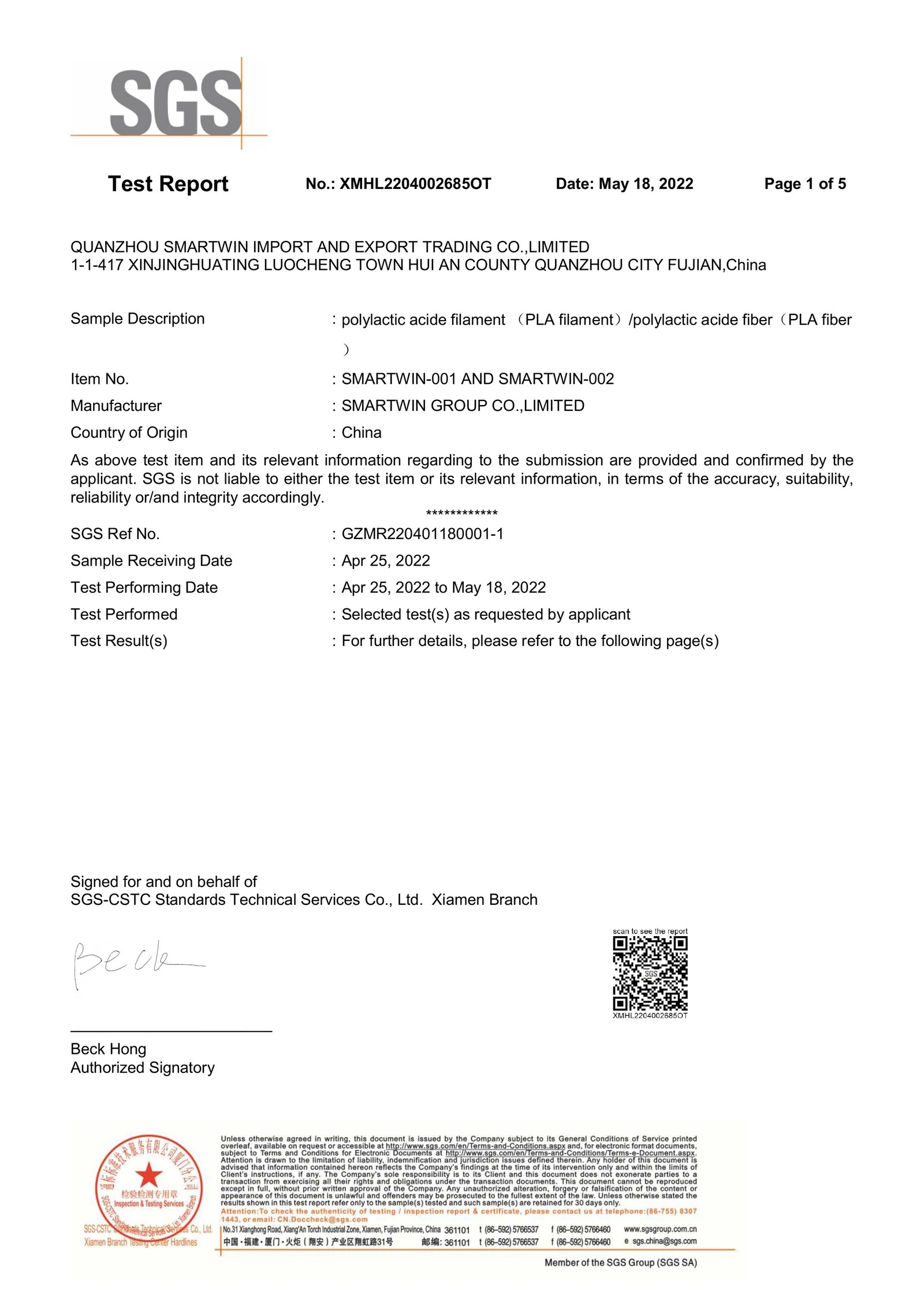
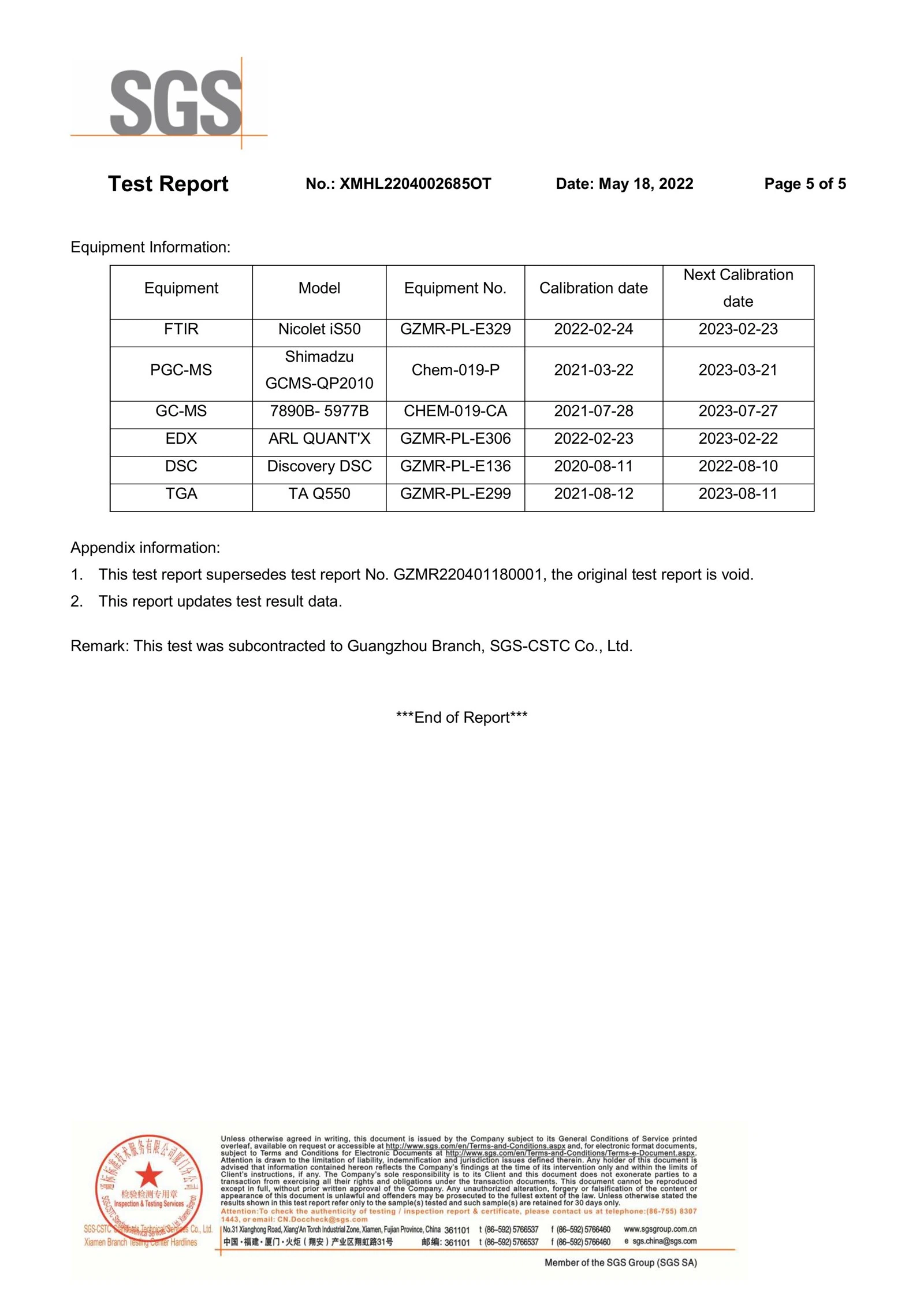
Our Certificate
Test report of acetate tow, PLA tow, SGS certificate and so on.



FAQ
As one of the most professional cellulose acetate tow manufacturers and suppliers in China, we're featured by quality products and good price. Please rest assured to buy high-grade cellulose acetate tow from our factory.
Korea Cellulose Acetate Tow, Cellulose Acetate Tow 6 0Y17000, Brazil Cellulose Acetate Tow